Running a business in Nigeria can feel like navigating a maze. A common mistake many entrepreneurs make? Mixing personal and business expenses.
This leads to messy financial records, tax headaches, and a blurred view of your business’s actual performance. Trust me, sorting that out during tax season is no fun at all.
To separate personal and business expenses in Nigeria, open separate bank accounts, use accounting software like Cordlo to track transactions, pay yourself a salary, keep detailed records, and reconcile regularly. This ensures clear financial tracking and simplifies tax compliance.
Why Separation Matters
Mixing business and personal finances creates problems down the road. Imagine explaining to the Federal Inland Revenue Service (FIRS) why your supermarket bill is a business expense!
Here’s why keeping things separate is crucial:
- Accurate Financial Picture: See exactly how your business is doing, without personal spending confusing things.
- Tax Compliance: Claim legitimate business deductions and avoid penalties. The FIRS requires clear records.
- Simplified Accounting: Makes bookkeeping and tax preparation much easier. Especially if you’re using accounting software.
- Legal Protection: Protects your personal assets in case of legal issues.
Open Separate Bank Accounts
This is the most basic, yet most important step. Open a dedicated business bank account at a reputable Nigerian bank like GTBank, Zenith Bank, or Access Bank. Never use your personal account for business.
Amaka, who runs a small fashion business in Lagos, learned this the hard way. She initially used her personal account. It became a nightmare to track which transactions were business-related. Opening a separate account saved her peace of mind.
Use Accounting Software
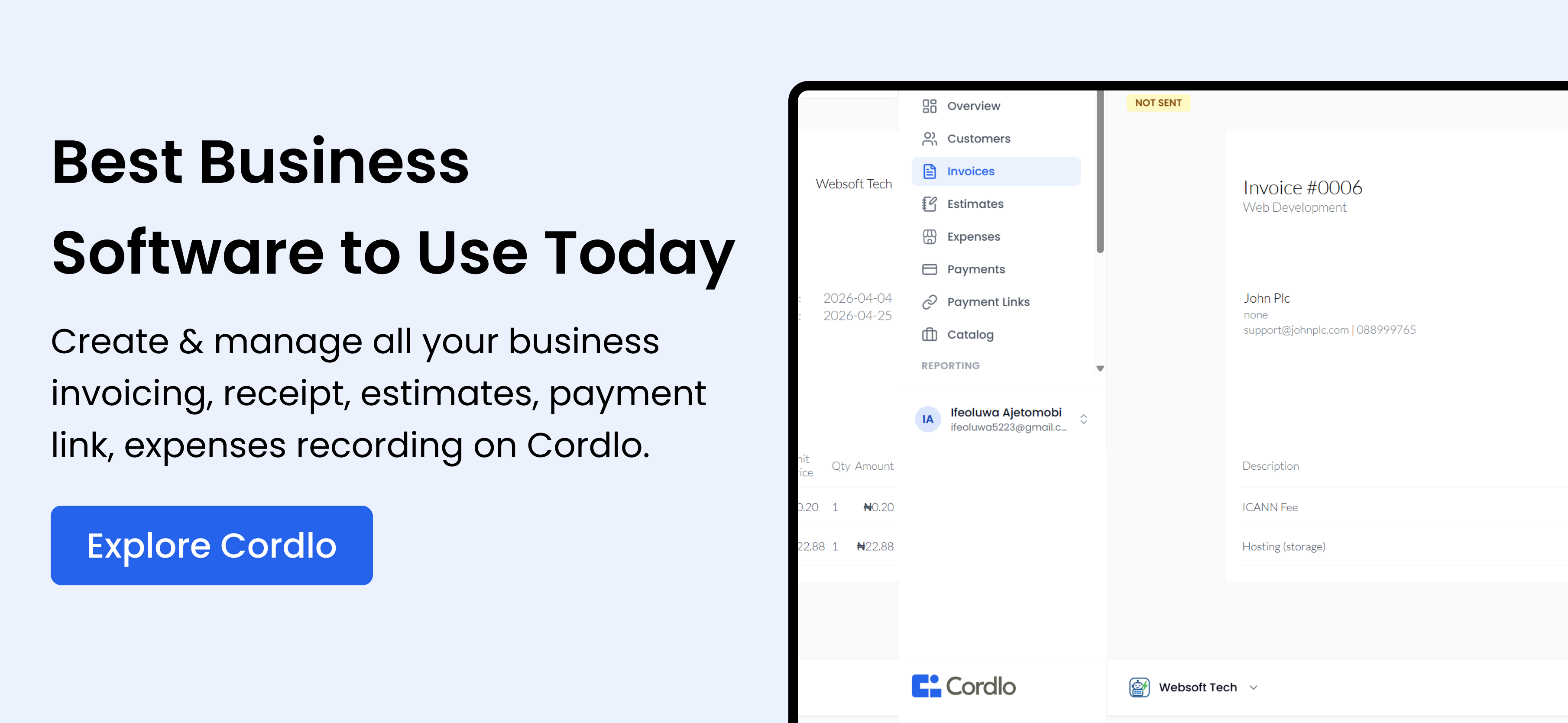
Tracking expenses manually with spreadsheets is slow and prone to errors. Invest in accounting software like Cordlo. It’s designed to help you categorize transactions, generate reports, and manage your finances efficiently.
Chidi, a caterer in Abuja, uses Cordlo to track income and expenses. He loves how it automatically categorizes transactions and generates financial reports.
Pay Yourself a Salary
Treat yourself like an employee. Pay yourself a fixed salary from your business account into your personal account. This creates a clear separation and helps you manage your personal finances better.
Ngozi, a consultant in Port Harcourt, pays herself a salary every month. This helps her budget effectively and avoid dipping into business funds for personal expenses.
Keep Detailed Records and Receipts
Keep all receipts, invoices, and bank statements organized. Scan physical receipts and store them digitally. Use cloud storage services like Google Drive or Dropbox to back up your records.
Ade, who runs a tech startup in Lagos, uses a dedicated folder in Google Drive to store all his business-related documents. This makes it easy to find them when needed.
Reconcile Your Accounts Regularly
Reconcile your bank statements with your accounting records regularly, at least monthly. This helps you identify discrepancies and correct errors early on.
Emeka, a restaurant owner in Enugu, reconciles his accounts every month. This helps him catch any errors or fraudulent transactions quickly.
Use Separate Credit Cards
Get a business credit card for business-related expenses. This simplifies tracking and reporting. It also helps you build your business credit history.
Many Nigerian banks offer business credit cards. Compare the terms and conditions to find the best fit for your needs.
Avoid Using Personal Assets for Business
Don’t use personal assets, like your car or house, as collateral for business loans, if possible. This protects your personal assets in case your business runs into financial difficulties.
Seek professional advice from a financial advisor before making any major financial decisions.
Document Everything
Keep a record of all transactions, no matter how small. Use descriptive labels for each transaction in your accounting software. This makes it easier to understand and categorize your expenses.
Write detailed notes about each expense. For example, instead of just writing “fuel,” write “fuel for delivery vehicle.”
Get Professional Advice
Consider hiring an accountant or bookkeeper to help you manage your finances. They can provide valuable advice and ensure you comply with all relevant tax laws and regulations.
A good accountant can save you time and money in the long run.
The Role of Technology: Cordlo in Action
In today’s digital age, technology is your best friend. Accounting software like Cordlo simplifies expense tracking, reporting, and reconciliation.
Here’s how Cordlo can help you separate personal and business expenses:
- Categorization: Easily categorize transactions as either business or personal.
- Reporting: Generate detailed reports that show your business income and expenses.
- Bank Integration: Connect your bank accounts to automatically import transactions.
- Invoice Management: Create and send professional invoices to clients.
- Expense Tracking: Track expenses by category, project, or client.
Cordlo vs. Alternatives
While several accounting solutions exist, Cordlo stands out with its user-friendly interface and features tailored for Nigerian businesses.
| Feature | Cordlo | Spreadsheets | Other Accounting Software |
|---|---|---|---|
| Ease of Use | Very Easy | Moderate | Can be Complex |
| Automation | High | Low | Moderate to High |
| Reporting | Detailed & Customizable | Limited | Detailed |
| Bank Integration | Yes | No | Yes |
| Price | Affordable | Free (but time-consuming) | Varies, can be expensive |
| Nigerian Context | Tailored for Nigeria | Generic | May not be Nigeria-specific |
Spreadsheets are cheap, but they are time-consuming. Other accounting software can be complex and expensive. Cordlo offers the best balance of ease of use, automation, and affordability, specifically tailored for Nigerian businesses. Sign up free.
Real-Life Scenarios in Nigeria
Let’s look at some real-life scenarios to illustrate the importance of separating personal and business expenses.
Scenario 1: The Fashion Designer
Ifeoma runs a fashion design business in Lagos. She initially used her personal account for all transactions. During tax season, she struggled to differentiate between personal and business expenses. This led to a higher tax bill and a lot of stress.
After switching to Cordlo and opening a separate business account, Ifeoma was able to easily track her income and expenses. She also hired an accountant to help her with tax preparation. This saved her time and money.
Scenario 2: The Tech Startup
David runs a tech startup in Abuja. He initially used his personal credit card for business expenses. This made it difficult to track his spending and manage his cash flow.
After getting a business credit card and using Cordlo to track his expenses, David was able to get a clear picture of his business finances. This helped him make better decisions and grow his business.
Scenario 3: The Restaurant Owner
Aisha runs a restaurant in Kano. She initially mixed her personal and business funds. This made it difficult to determine the profitability of her restaurant.
After opening a separate business account and using Cordlo to track her income and expenses, Aisha was able to see exactly how much money her restaurant was making. This helped her make informed decisions about pricing, staffing, and inventory.
Essential Tools for Nigerian Businesses
Besides accounting software, several other tools can help you manage your business finances effectively.
- Payment Gateways: Use payment gateways like Paystack and Flutterwave to accept online payments from customers.
- Mobile Banking Apps: Use mobile banking apps to easily transfer funds between your accounts.
- Cloud Storage: Use cloud storage services like Google Drive and Dropbox to store your financial records securely.
- WhatsApp Business: Use WhatsApp Business to communicate with customers and manage your sales.
Staying Compliant with Nigerian Regulations
As a business owner in Nigeria, it’s important to comply with all relevant tax laws and regulations. The FIRS is responsible for collecting taxes in Nigeria. Make sure you file your taxes on time to avoid penalties.
You also need to register your business with the Corporate Affairs Commission (CAC). This is a legal requirement for all businesses operating in Nigeria.
Common Mistakes to Avoid
Here are some common mistakes to avoid when separating personal and business expenses:
- Using Personal Account for Business: As mentioned earlier, never use your personal account for business transactions.
- Failing to Keep Records: Keep detailed records of all transactions, no matter how small.
- Mixing Funds: Avoid mixing personal and business funds.
- Ignoring Tax Laws: Stay up-to-date with all relevant tax laws and regulations.
- Not Seeking Professional Advice: Don’t hesitate to seek professional advice from an accountant or financial advisor.
Resources for Nigerian Businesses
Several resources are available to help Nigerian businesses succeed.
- Small and Medium Enterprises Development Agency of Nigeria (SMEDAN): SMEDAN provides support and resources to small and medium-sized enterprises in Nigeria.
- Bank of Industry (BOI): BOI provides financing to businesses in Nigeria.
- Nigerian Export Promotion Council (NEPC): NEPC promotes exports from Nigeria.
- Cordlo Blog: Get helpful tips and guides for managing your business finances.
Check out these other helpful articles on the Cordlo blog: How to register a business name in Nigeria and Tax for small businesses in Nigeria.
Conclusion
Separating personal and business expenses is crucial for the financial health of your business. It simplifies accounting, ensures tax compliance, and protects your personal assets. By following these tips and using accounting software like Cordlo, you can effectively manage your finances and grow your business in Nigeria.
FAQ
Why is it important to separate personal and business expenses?
Separating expenses ensures accurate financial records, simplifies tax compliance, and protects your personal assets in case of legal issues.
How do I open a business bank account in Nigeria?
Visit a reputable Nigerian bank like GTBank, Zenith Bank, or Access Bank and provide the required documents, including your business registration certificate and identification.
What is the best accounting software for Nigerian businesses?
Cordlo is a great option because it’s user-friendly, affordable, and tailored for Nigerian businesses.
How often should I reconcile my accounts?
Reconcile your bank statements with your accounting records at least monthly to identify and correct errors early on.
What should I do if I accidentally mix personal and business expenses?
Correct the error immediately in your accounting software by reclassifying the expense to the appropriate category.